Designing With Children, Not For Them
Games, activities and practical techniques to involve children in design — from consent and props to testing and trust-building.
Children are rarely invited to take part in design. But to truly grasp their needs and perspectives, we need to engage with their thinking and behavior — through activities, games, safe environment and trusted conversations. That means involving children in co-designing digital products with us, not for them.
But how exactly would it work? How do we create a space where children will want to contribute, help, explain, articulate — and how do we understand what exactly they articulate? Well, let's find out.
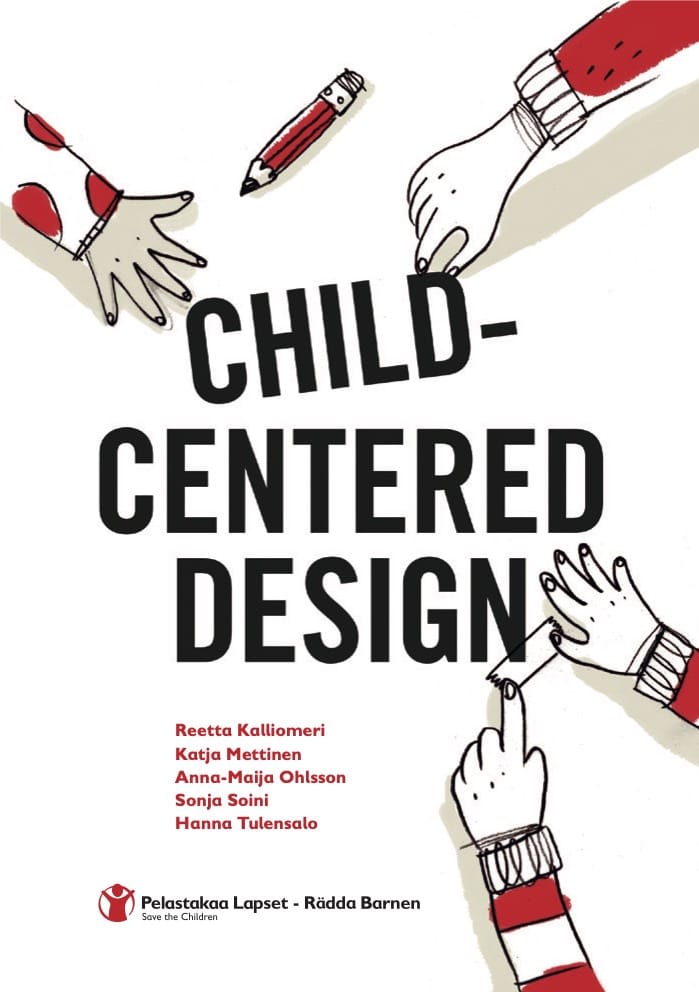
The Children-Centered Design handbook by Save the Children Finland — free PDF with activities, games, and a full co-design process for working respectfully with children.
Child-Centered Design Process #
Recently I stumbled upon a lovely free handbook PDF on children-centered service design by Save the Children Finland. It's a very practical guide with activities, games, a design process, and tips on working with children while respecting their needs, perspectives and rights.
I absolutely love how much it focuses on creating a friendly, respectful and joyful environment for children to feel safe and excited to be expressive and share their thoughts, their emotions and their feedback. Below are a few points that I've noted for myself — perhaps you'll find them useful, too.
Key Takeaways #
- Ask explicit consent before involving children — participation must be voluntary, never assumed.
- Safety first: it stems from the presence of an adult and the child's ability to choose what to talk about, how, how much and how quickly.
- Draw or use pictures to show what is going on and what you'd like to understand. Children find it easier to understand explanations supported with pictures.
- Leave a picture on a wall, so children can easily go back to it for more details, questions and follow-ups.
- Make the space child-friendly: consider noise, echo, and remove off-limits objects beforehand.
- Physically get down to the child's level — sit on the floor, not across a desk.
- Start by playing or talking about what interests the child.
- Take notes openly; tell children what you're writing and why, and let them comment.
- Close every session by explaining what happens next with what they told you.
- Take note of how specific children behave alone and with others.
- Ask the children for feedback on the work you did together.
- Trust in children's ability to talk about and express themselves.
- Listen to how children speak, and the words they use. Don't "translate" it.
- Skip direct interviews with young children — they tend to answer to please the adult, not to inform you.
- Use props instead: sun/ghost/tree drawings, puppets, hand-built models, or picture collages.
- Cap group interviews at 6 children per 2 adults, so everyone actually gets heard.
- For ideas, let children draw, build, or act it out rather than describe it verbally.
- When children can't be present, keep their exact words and photos visible throughout the work.
- Notice when children describe the same issue differently for themselves vs. parents.
- When several problems compete for attention, let the children choose which to tackle first.
- Take photos of workshop outputs and return them to the children afterward if they want to keep them.
- Assume adults will underestimate what a child finds imaginative or worth building on.
- Give children with disabilities extra communication support, so participation stays fair and equal.
- Judge success by how heard the child felt, not only by what the adults intended.
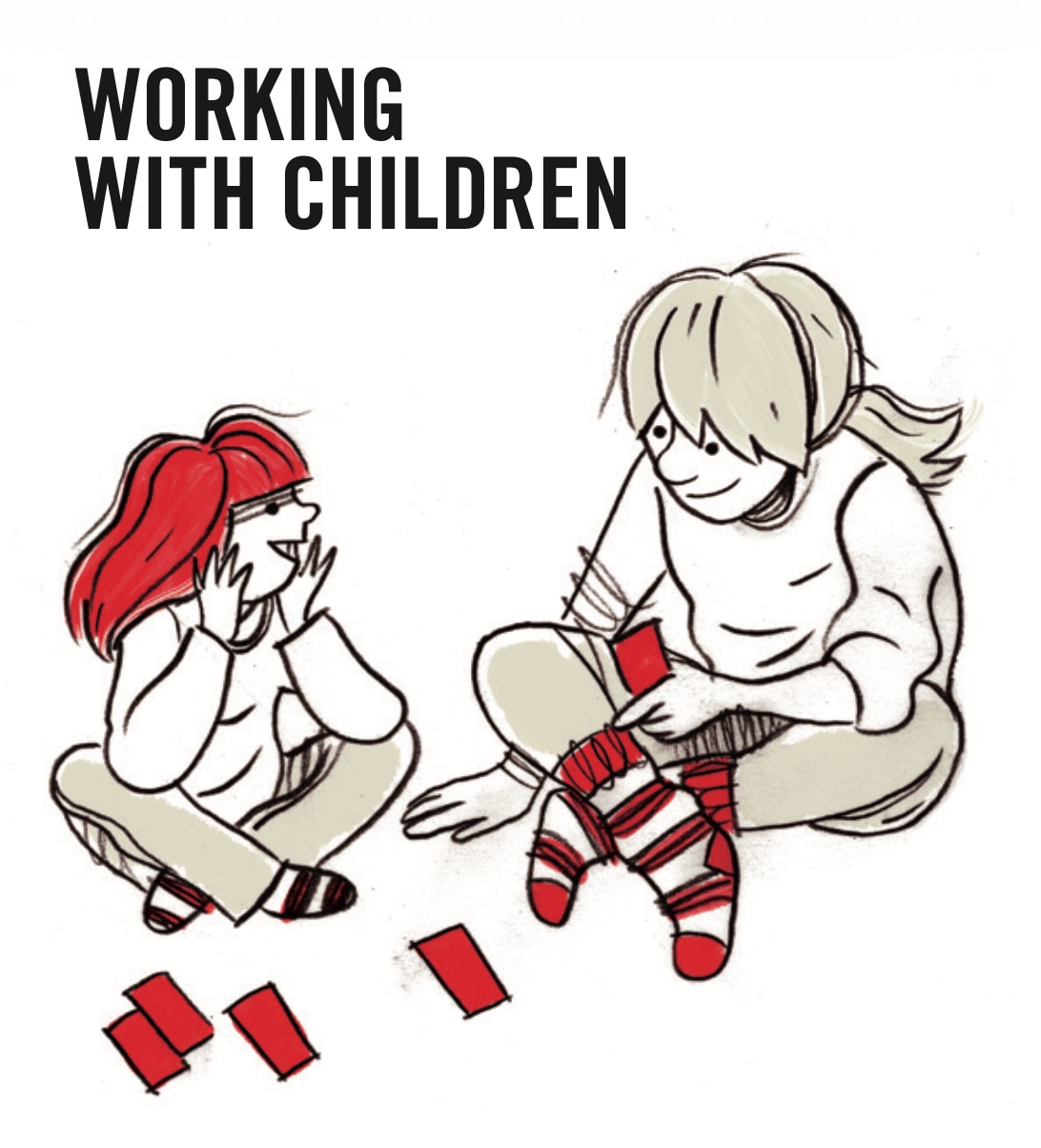
Co-design activities and games from the Children-Centered Design handbook — practical tools for engaging children as active participants in the design process.
Designing With, Not For, Children #
To design a truly accessible experience, we must design with people, rather than for them. This goes for children as well. And that means always including the people we are designing for in the design process — as a minimum with at least just enough research, and at best directly in the process — as they are true experts, independent of age.
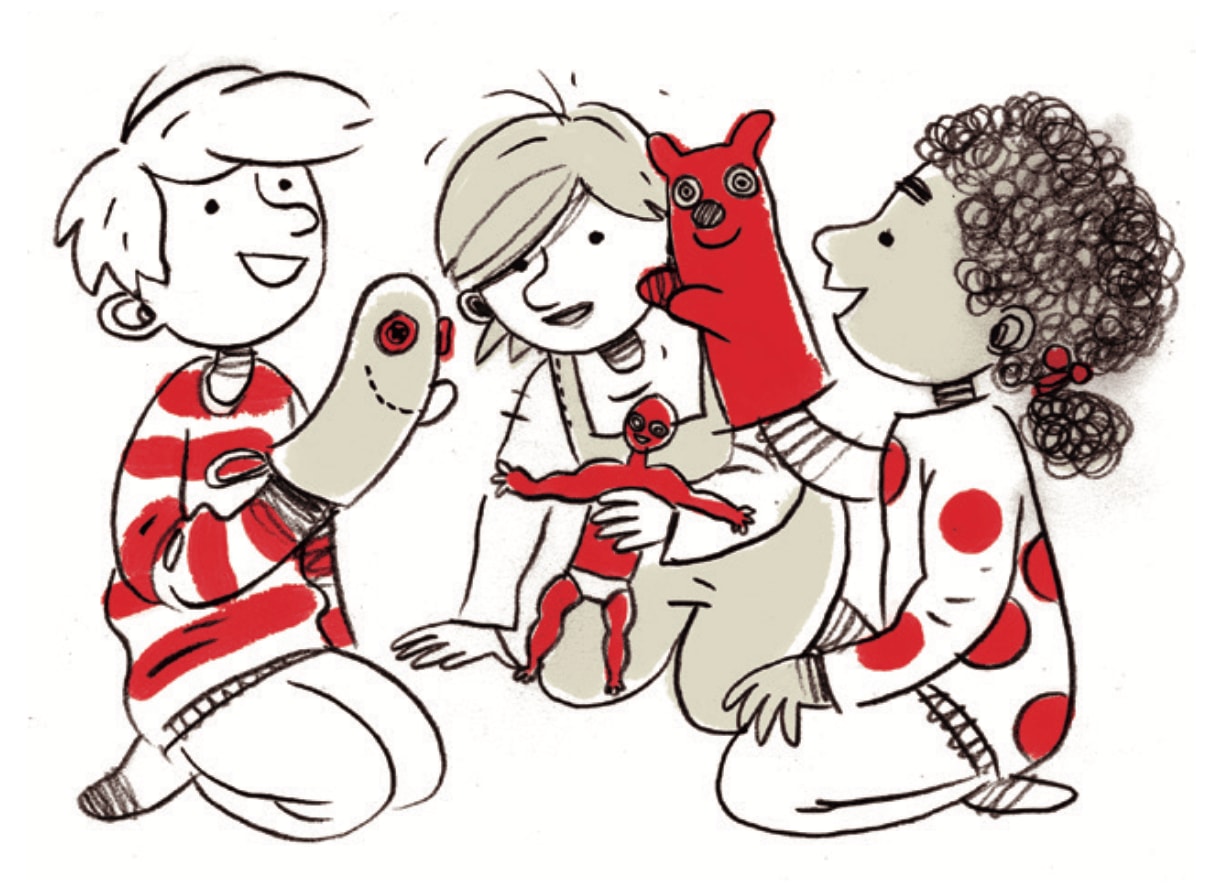
Lovely illustrations from the handbook, including games and activities to engage with children.
As Deb Gelman wrote, children communicate volumes by how they play, what they choose to play with, how long they choose to play with it, and when they decide to play with something else. Yet they don't get as disappointed when something isn't working — they just choose to browse or play something else.
As designers, we should always keep in mind that "children" represent a very diverse range of behavior and abilities. There are vast differences between age groups (3–5, 6–8, and 9–12) — both in how they navigate, and in how we communicate with them. I've put together a few guidelines in a practical guide to designing for children, too.
Wrapping Up #
Designing for children is difficult. Children tend to lose focus and motivation. They quit when they get bored, and they move on if they can't get anywhere quickly enough. They need steady achievements. So as designers, we need to appreciate, reward, and encourage small wins to develop habits and support learning — with progress tracking and gamification.
Age groups navigate and communicate very differently — worth keeping in mind when designing activities and interfaces for children.
Useful Design Toolkits #
- UX Research Toolkit For Playtesting With Kids
- Designing With Children
- Co-Design With Kids Toolkit
- Playful By Design Toolkit
- DeCID Handbook For Displaced Children
- Designing For Children's Rights Guide
Useful Guides, Books And eBooks #
- Design For Kids, Rosenfeld Media.
- Designing Digital Products For Kids
- Designing Spaces For Children
- A Practical Guide To Designing For Children, by yours truly.
Useful Resources #
- Children-Centered Design Handbook (Free PDF), by Save the Children Finland.
- A Practical Guide To Designing For Children, by Vitaly Friedman.